Phase I and Phase II Environmental Site Assessments (Environmental Due Diligence)
Insite Group, Inc. has been a trusted provider of Phase I Environmental Site Assessments (ESAs) for more than 25 years. Our experienced team of environmental professionals deliver comprehensive, reliable Phase I ESAs that meet the requirements of ASTM E1527 and All Appropriate Inquires (AAI) under the United States Environmental Protection Agency. Whether you are an individual buyer, real estate developer, lender, attorney, conservation organization, timber company, or municipality, we’d be glad to complete environmental due diligence on your behalf and assist you in evaluating the potential environmental risks so that you can make informed decisions. We also understand that real estate timelines can be tight, and we can accommodate most requests for expedited report deadlines.
What Is a Phase I Environmental Site Assessment?
A Phase I ESA is a detailed investigation of a property’s current and historical use to identify potential environmental liabilities related to hazardous substances and petroleum products. The Phase I ESA is looking for Recognized Environmental Conditions (RECs) as defined by ASTM E1527. A REC is the presence or likely presence of hazardous substances or petroleum products due to a release to the environment. A Phase I ESA typically includes:
Site Inspection – A physical inspection of the property is conducted to identify potential environmental concerns.
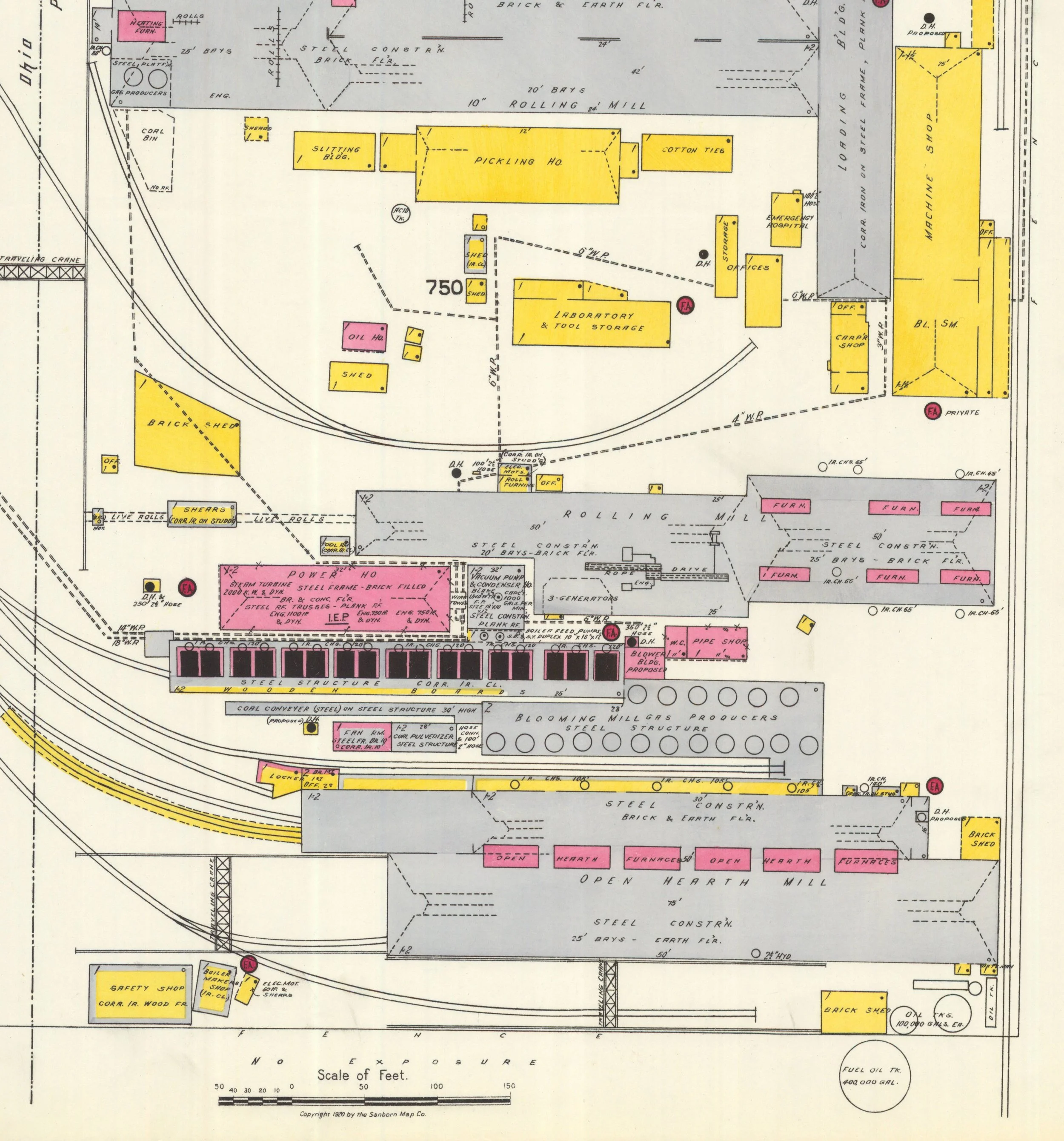
Historical Records Review –We analyze historical aerial photographs, fire insurance maps, topographic maps, city directories, and other property records to understand how the site and surrounding properties have been used over time.
Regulatory Database Search – Federal, state, and local environmental records are reviewed to determine whether the property or nearby sites have been associated with contamination or regulatory enforcement.
Interviews – We interview property owners, occupants, and local officials who may have knowledge of the property’s environmental history.
Comprehensive Reporting – You receive a clear, defensible report that documents findings, identifies Recognized Environmental Conditions, and provides recommendations for further action if needed.
Why Complete a Phase I Environmental Site Assessment?
Environmental risk can turn a promising property into a costly liability. A Phase I ESA gives you the critical information you need to make confident, informed decisions about a property. Key reasons to complete a Phase I ESA include:
CERCLA Liability Protection – Under federal Superfund law (CERCLA), property owners can be held responsible for cleaning up contamination they did not cause. By completing a Phase I ESA, you satisfy the All Appropriate Inquiries requirement and qualify for the Innocent Landowner Defense against CERCAL liability.
Investment Protection – Identifying environmental risks before you buy a property prevents unexpected project delays and massive, unbudgeted cleanup expenses.
Lender Requirements – Many lenders require a Phase I ESA before lending on a commercial property to ensure their collateral isn’t devalued by hidden environmental issues.
Negotiation Power – If contamination is found, you can use the findings to negotiate a lower purchase price, require the seller to pay for remediation, or walk away from the deal entirely.

What Is a Phase II Environmental Site Assessment?
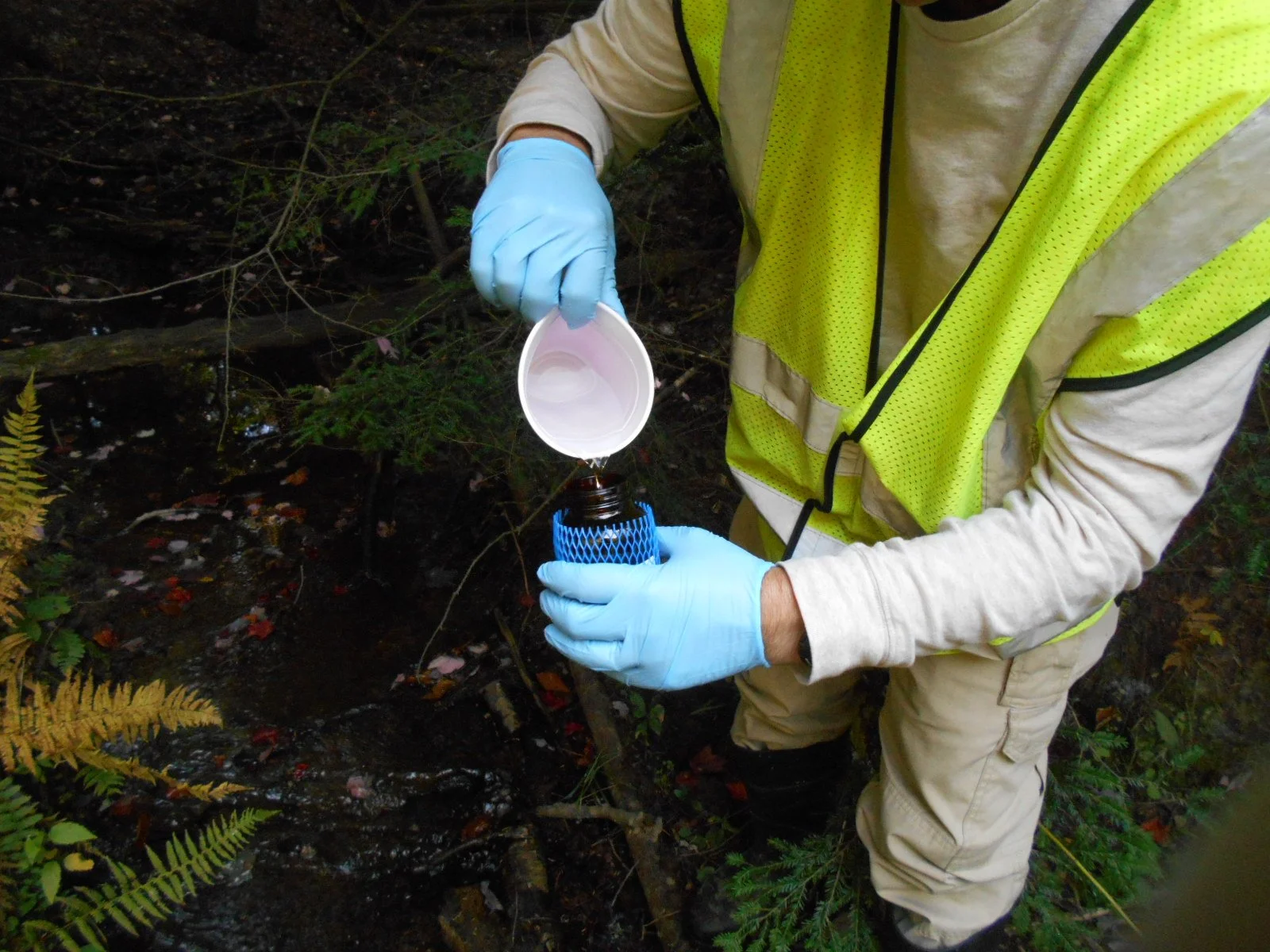
A Phase II ESA is often the next step after potential environmental contamination is identified during a Phase I ESA. A Phase II ESA typically involves sampling of environmental media (soil, groundwater, surface water, soil vapor, and/or indoor air) to determine whether contamination is present at the property. Environmental site investigations require careful planning, technical expertise, and regulatory knowledge. Our team designs targeted sampling programs based on site history, geology, and the potential sources identified in prior assessments. This strategic approach helps reduce unnecessary sampling, control project costs, and produce meaningful results that support informed decisions.
What Happens if Contamination is Found?
Our commitment to you extends beyond the Phase I and Phase II ESAs. If contamination is found during the environmental due diligence process, we are available to help evaluate the potential risks and liability and explore options. If you decide to pursue remediation of the contamination, Insite Group, Inc. has a broad range of remediation experience and would be glad to complete the work on your behalf. For more information, please visit our UST services and Pennsylvania Land Recycling Program (Act 2) pages.
What Is a Records Search with Risk Assessment (RSRA)?
An RSRA is a preliminary desktop environmental screening to determine if additional investigation, such as a Phase I ESA, is warranted. Historical records and environmental databases are reviewed, and the property is classified as low risk, elevated risk, or high risk for contamination. An RSRA is often required by the U.S. Small Business Administration (SBA) for certain loans when real estate is used as collateral.